 0
0
 0
0
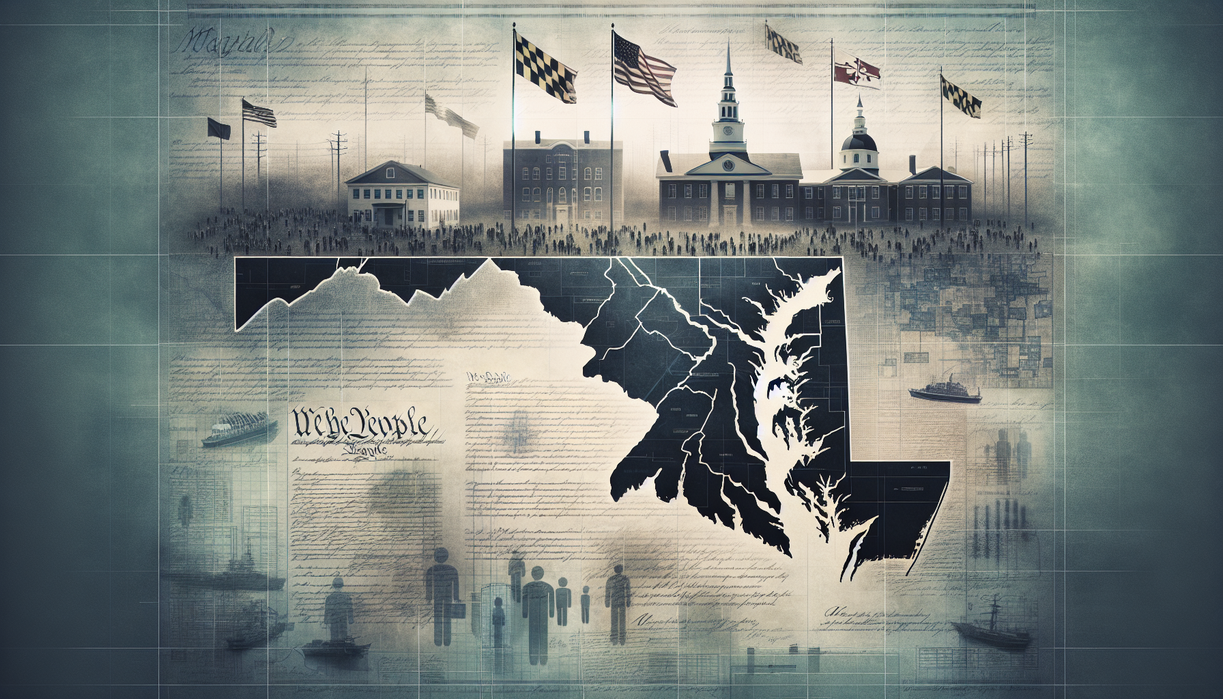
gotyourbackarkansas.org – When news broke that federal officials were eyeing new immigration detention sites in Maryland, the story quickly grew beyond routine politics. It became a vivid test of how far local communities can go when they resist Washington’s plans, raising old constitutional questions that suddenly feel urgent again.
This news does more than track another skirmish over federal immigration policy. It spotlights a deeper struggle about power, identity, and responsibility. From county courthouses to Capitol Hill, leaders debate who makes the final call when local priorities collide with federal immigration enforcement. The answer may shape not only Maryland’s landscape but also the future balance between national authority and local self-rule.
New ICE Facility News and Local Pushback
The latest news surrounding proposed ICE facilities in Maryland has renewed friction between town halls and the Trump-era vision for immigration control. Local leaders argue that these centers threaten community trust, especially in counties with large immigrant populations. They see the facilities as symbols of aggressive enforcement that clash with years of effort to build cooperation between residents and local agencies. For them, the news is not abstract policy; it is about whether neighbors will feel safe sending children to school or reporting a crime.
Federal officials, on the other hand, frame the news as a simple matter of executing national law. They insist that immigration enforcement requires secure, strategically placed detention space. From this viewpoint, local objections appear more political than practical. Washington claims it cannot tailor enforcement around shifting county preferences, especially when Congress has already granted authority to manage borders and oversee deportation proceedings across all fifty states.
Between these positions lies the real tension highlighted by recent news. Maryland counties argue that they must answer to voters who fear the social cost of a new detention complex next door. Federal agencies counter that the Constitution grants them supremacy in immigration affairs. When those interests collide over bricks, bars, and razor wire, questions arise about who actually governs the ground where the facility would stand.
Constitutional Powers in the Spotlight
The constitutional backdrop to this news pivots on two core ideas: federal supremacy and state sovereignty. The federal government holds primary authority over immigration, supported by decades of Supreme Court decisions. Under that framework, supporters claim Washington enjoys broad power to build or contract for ICE facilities wherever needed. Yet, they still depend on local permits, zoning codes, and cooperation with sheriffs or city councils, which complicates real-world implementation.
Maryland officials opposed to the sites lean on a different principle: the anti-commandeering doctrine. That doctrine, shaped by cases like Printz v. United States and Murphy v. NCAA, holds that Washington cannot force states or local governments to enforce federal programs. In the news context of ICE facilities, this means Maryland cannot be compelled to use its personnel or resources to operate detention sites or honor every federal request, even if enforcement itself remains a federal prerogative.
My own view is that this constitutional tug-of-war, revived by the Maryland news, reflects a healthy if uncomfortable feature of American governance. Tension between levels of government forces public debate about priorities instead of allowing any single authority to operate unchecked. Yet the fight over ICE facilities shows the downside too: real people live in the shadow of these abstract doctrines, facing uncertainty about family stability, economic prospects, and their relationship with law enforcement.
Local Democracy, National Policy, and the Human Cost
Beyond legal arguments, this news story exposes a values clash between national policy goals and local democratic instincts. Communities in Maryland ask why they should host detention sites that many residents find morally troubling or socially risky. Federal leaders respond that immigration enforcement cannot function if every county vetoes facilities it dislikes. My perspective is that durable solutions require Washington to treat local resistance as meaningful feedback instead of obstruction. Transparent negotiations, community impact studies, and clear accountability could reduce the gap between the law on paper and the lived reality on the ground. Until then, each new ICE proposal will likely generate fresh news headlines, more lawsuits, and continued anxiety for the people whose lives hang in the balance.