 0
0
 0
0
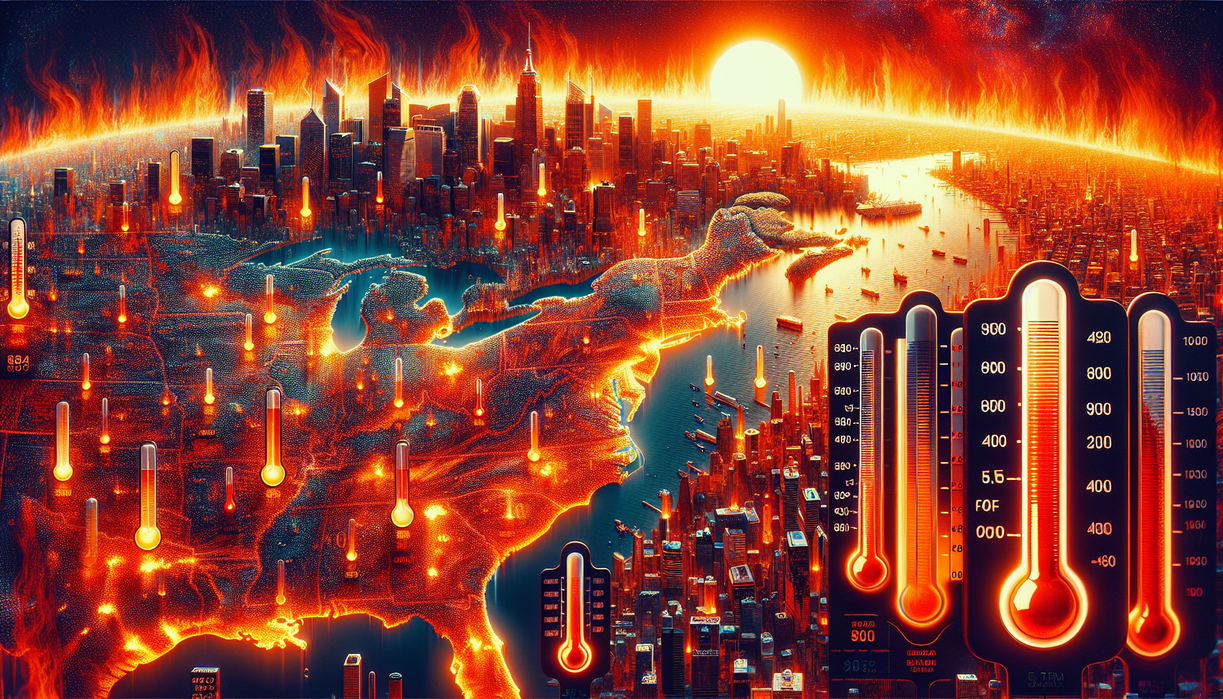
gotyourbackarkansas.org – The weather is turning fierce across the eastern United States, pushing millions of people into a prolonged heat test. From New York to Philadelphia to Washington, D.C., thermometers are climbing toward record territory, while humidity turns sidewalks into slow-motion saunas. This is not a quick afternoon spike but a stubborn heat dome parked overhead, reshaping daily routines and raising questions about how prepared cities truly are for a hotter future.
When the weather starts dictating when you can safely walk your dog or ride the subway, it stops being background noise and becomes the main story. Power grids strain, health workers brace for emergencies, and families scramble for cooler spaces. Beneath these blazing temperatures lies a bigger narrative about climate trends, urban design choices, and the collective decisions we will need to make as extreme heat becomes less an exception and more a recurring headline.
How a Stubborn Weather Pattern Turned Deadly Hot
This oppressive stretch of weather over the eastern US comes from a classic, yet unsettling, setup. A strong high-pressure system has settled over the region, pressing warm air downward and locking it in place. Meteorologists often call this a heat dome, because it acts like a lid, trapping heat near the surface. Instead of letting cooler air flow through, the atmosphere behaves more like an oven left on for days.
Under this pattern, the weather behaves in a predictable but punishing way. Clear skies mean relentless sunshine from midmorning through late afternoon. Nights offer little escape because the trapped air stays warm, especially over asphalt and concrete. Each day starts where the last one ended, so temperatures stack up and climb higher, sometimes setting records several days in a row.
The eastern corridor, with its dense cities and extensive pavement, amplifies this already severe weather. Urban heat island effects boost temperatures a few degrees above surrounding areas that have more trees or open land. A reading of 95°F at a suburban station may translate to 100°F or more in the middle of the city. Add heavy humidity from nearby oceans and rivers, and the heat index can soar into territory where outdoor activity becomes dangerous, not just uncomfortable.
Weather, Health, and Life in the Heat Lane
Extreme weather like this heat wave does not just make people sweat; it reshapes risk across entire communities. Heat is often called a “silent killer” because it lacks the drama of hurricanes or tornadoes, yet it consistently causes more deaths. When the body struggles to cool itself through sweating, core temperature can rise quickly, especially for older adults, infants, or anyone with heart or lung issues. Those without air conditioning, or who work outside, face the toughest odds.
Hospitals usually see a surge in visits during prolonged hot weather. Heat exhaustion, dehydration, and exacerbated chronic conditions fill emergency rooms. Public health departments respond by opening cooling centers, extending pool hours, and blasting out warning messages. Yet access is uneven. People living in poorer neighborhoods often lack tree cover, air conditioning, or safe transit to cooler spaces. The same blocks most exposed to highway pollution now suffer most from oppressive temperatures.
From my perspective, this heat wave underlines a serious gap between our weather reality and our daily assumptions. Many of us still treat summer as an automatic season of leisure, not a period that might demand disaster-style planning. We schedule kids’ sports during midafternoon blaze, postpone infrastructure fixes, and treat heat alerts as optional advice. This mindset clashes with the data, which show that hot weather events are growing longer, more frequent, and more intense across the eastern US.
What This Weather Says About Our Future
Looking ahead, this episode of extreme weather should serve as a dry run for the climate future already unfolding. Rising global temperatures load the dice toward more intense heat waves, while sprawling cities amplify the impact for millions. To cope, we will need not only better forecasts but also wiser design: cooler roofs, more trees, shaded transit stops, resilient power grids, and social systems that ensure no one is left to endure triple-digit heat alone. Every blistering week like this one is both a warning and an invitation to rethink how we live with our weather, before it reshapes us in ways we can no longer control.